How Fractional Laser Treatment Stimulates Cellular Repair
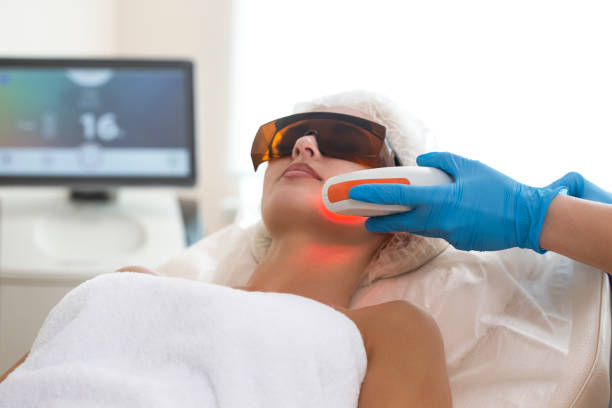
Beautiful skin is not simply about removing visible imperfections. It is about encouraging the skin to function better at a cellular level. Modern fractional laser treatment dubai takes this approach by using precisely controlled laser energy to activate the skin’s natural repair processes while preserving surrounding tissue.
The result is a sophisticated resurfacing process that can refine texture, improve the appearance of scars and pigmentation, and encourage the formation of healthier collagen. At Aesthetic Polyclinic, advanced laser technology allows treatment parameters to be carefully tailored to individual skin characteristics and aesthetic goals.
The Science Behind Fractional Laser Energy
Fractional laser technology works by delivering laser energy into microscopic treatment zones within the skin. Rather than treating the entire surface uniformly, the technology creates precisely distributed columns of controlled thermal energy.
These microscopic zones trigger a wound healing response in the surrounding tissue. Because untreated skin remains between the treatment columns, the skin has a supportive framework from which repair can progress.
This precision is central to modern laser resurfacing. Energy intensity, depth, density, and treatment pattern can be adjusted according to the area being treated and the desired degree of skin renewal.
How Cellular Repair Begins
Once fractional laser energy reaches its targeted depth, it creates controlled thermal stimulation within the skin. This activates biological processes involved in tissue regeneration.
The skin responds by initiating a coordinated repair cascade involving inflammatory mediators, fibroblast activity, extracellular matrix remodeling, and new collagen production.
Fibroblasts are particularly important because they are responsible for producing structural proteins such as collagen and elastin. These proteins help support the architecture, firmness, and resilience of the skin.
As the repair process progresses, older and damaged tissue can gradually be remodeled while newly formed structural components contribute to a smoother and more refined skin surface.
Collagen Remodeling for Progressive Refinement
Collagen is one of the most important structural proteins in human skin. Its organization and density influence firmness, texture, and overall skin quality.
Fractional laser stimulation encourages fibroblasts to increase collagen synthesis. The newly produced collagen does not simply appear immediately. Instead, the skin undergoes a progressive remodeling process in which existing collagen structures are reorganized and new collagen is deposited.
This gradual biological response is one reason fractional resurfacing is valued for creating improvements that develop naturally over time.
Why Controlled Microthermal Zones Matter
The precision of fractional technology allows energy to be concentrated where it can stimulate repair without requiring uniform treatment of the entire skin surface.
Each microscopic treatment zone acts as a carefully controlled point of regeneration. The untreated areas surrounding these zones support the skin’s recovery and allow the overall healing process to remain highly structured.
This balance between precision and biological stimulation is what makes fractional resurfacing a sophisticated approach to skin renewal.
Advanced Laser Precision at Aesthetic Polyclinic
At Aesthetic Polyclinic, laser resurfacing is approached as a customized medical treatment rather than a standardized procedure. Skin type, pigmentation characteristics, texture concerns, treatment area, and desired outcome all influence how energy parameters are selected.
Advanced laser systems provide clinicians with control over several important variables, including:
• Treatment depth for targeting specific layers of the skin
• Energy intensity for controlled thermal stimulation
• Treatment density for determining the distribution of microthermal zones
• Pulse characteristics for precise energy delivery
• Coverage patterns for treating specific anatomical areas
This level of control allows treatment planning to remain highly individualized while supporting a refined approach to skin rejuvenation.
From Surface Renewal to Deeper Skin Quality
Fractional laser treatment is particularly interesting because its effects extend beyond superficial resurfacing. The controlled thermal response can stimulate deeper biological activity associated with collagen remodeling and tissue renewal.
As the skin continues its repair cycle, the surface can become progressively smoother and more uniform. Texture may appear more refined, while the underlying support structure benefits from ongoing collagen activity.
This makes fractional technology valuable for clients who want more than temporary surface enhancement. The objective is to encourage the skin’s own regenerative capabilities and support a more sophisticated improvement in overall quality.
Precision Matters in Premium Skin Care
The sophistication of fractional laser treatment lies not only in the technology but also in how precisely it is applied.
A carefully designed treatment plan considers the individual characteristics of the skin rather than relying on identical settings for every client. The clinician can determine appropriate treatment parameters based on the location and nature of the concern, creating a highly personalized pathway toward skin refinement.
Areas such as the face, neck, and other selected regions may require different approaches because skin thickness, sensitivity, pigmentation, and collagen architecture can vary considerably.
Why Cellular Repair Creates Lasting Interest
Skin renewal is a biological process rather than an instant visual transformation. Fractional laser technology works by initiating controlled stimulation that encourages the skin to repair and remodel itself.
The appeal is therefore rooted in the science of regeneration. Instead of simply concealing surface irregularities, the treatment encourages activity within the skin that can contribute to improved texture, collagen organization, and visible refinement.
For discerning clients, this combination of advanced technology, precision, and biological intelligence represents a more considered approach to aesthetic skin care.
Established in 2000, Aesthetic Polyclinic is one of Dubai’s leading centers for advanced aesthetic care, offering a comprehensive range of services in Plastic Surgery, Dermatology, Dentistry, Hair Removal, Slimming, and Specialized Skin Care. With a commitment to excellence and innovation, we blend the latest medical technology with a patient-centered approach to deliver safe and effective results. Originally founded as one of the first medical spas in the UAE, Aesthetic Polyclinic has evolved into a state-of-the-art facility dedicated to enhancing natural beauty and self-confidence. Our team of experienced doctors, dermatologists, and image consultants believe in results that look natural, “You, just better.” Guided by the principles of quality, innovation, and personalized care, we craft tailored treatment plans that help every client look as good on the outside as they feel within. Together in health, beauty, and confidence, Aesthetic Polyclinic Dubai continues to redefine the art of aesthetic excellence across the UAE. Discover what precision driven skin renewal can reveal when advanced science meets personalized care at an aesthetic clinic.
FAQs
Is fractional laser treatment only focused on the skin surface?
No. Fractional laser technology can deliver controlled energy into selected depths of the skin, stimulating biological processes associated with collagen production and tissue remodeling beneath the surface.
How does fractional laser encourage collagen production?
Controlled thermal stimulation activates fibroblasts within the skin. These cells contribute to the production and organization of collagen and other components of the extracellular matrix, supporting progressive skin remodeling.
Can treatment parameters be customized?
Yes. Modern fractional laser systems allow clinicians to adjust variables such as energy, depth, density, and treatment pattern. These settings can be selected according to the client’s skin characteristics, treatment area, and aesthetic objectives.


Comments
Post a Comment