10 Wellness Treatments to Try for Total Mind-Body Balance
Modern life can make it surprisingly difficult to slow down. Between demanding schedules, constant notifications, work commitments, and everyday responsibilities, both the mind and body can benefit from intentional moments of restoration. Wellness treatments offer an opportunity to step away from routine and focus on relaxation, recovery, energy, and overall wellbeing.
The best approach is not necessarily about trying everything at once. Instead, it is about discovering treatments that complement your lifestyle and support the way you want to feel. From heat based therapies to calming practices, here are ten wellness treatments worth exploring when you want to create a more balanced approach to self care.
1. Infrared Sauna Therapy
Infrared sauna therapy uses infrared wavelengths to create gentle warmth that penetrates the body differently from the heated air of a traditional sauna. The experience can encourage relaxation while creating a soothing environment for the body.
Many people enjoy infrared sessions as part of their wellness routine because they provide dedicated time to disconnect, unwind, and focus on themselves. Sessions are generally comfortable and can be incorporated into a broader approach to relaxation and recovery.
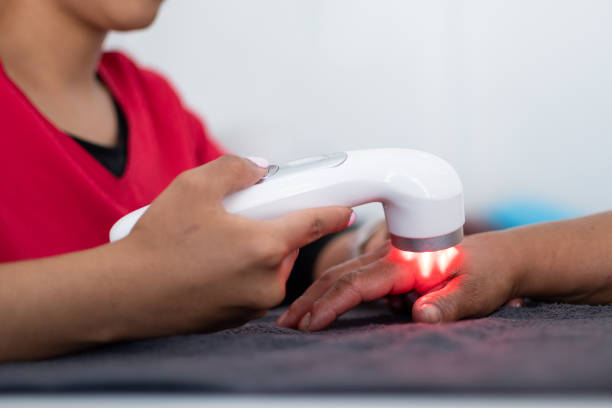
2. Red Light Therapy
Red light therapy uses specific wavelengths of light to interact with biological tissues. It has become increasingly popular within modern wellness routines because it offers a non invasive experience that can be incorporated into regular self care.
Light based treatments can be particularly appealing to people who prefer gentle wellness experiences without extensive downtime. Depending on the device and treatment protocol, different wavelengths may be selected for specific wellness or aesthetic goals.
3. Massage Therapy
Few wellness treatments provide the immediate feeling of relaxation that comes from a professional massage. Massage involves manipulating muscles and soft tissues, helping create a deeply calming experience.
Beyond the physical sensation, massage also gives you an opportunity to slow down mentally. A quiet environment combined with intentional touch can make a massage feel like a reset after a demanding week.
4. Guided Meditation
Wellness is not only about the body. Mental relaxation deserves equal attention, which makes meditation an excellent addition to a balanced routine. Guided meditation provides structured support for people who may find it difficult to sit quietly and focus independently.
Even a short session can create valuable time away from distractions. Learning more about meditation can also help you understand the different approaches available, from mindfulness based practices to focused breathing techniques.
5. Floatation Therapy
Floatation therapy places you in a specially designed environment containing highly concentrated salt water that allows the body to float with minimal effort. The quiet setting can encourage physical relaxation and mental stillness.
For people who spend much of their day processing information and responding to external demands, this type of treatment can provide a rare period of uninterrupted calm. The experience is often valued for its ability to create a sense of separation from everyday stimulation.
6. Cryotherapy
Cryotherapy involves controlled exposure to very cold temperatures for a short period. It has become a recognizable feature of contemporary wellness programs, particularly among people interested in recovery focused routines.
The intense temperature creates a distinctive physical experience and is often incorporated alongside exercise, massage, or other wellness practices. Anyone considering cold exposure should discuss suitability with an appropriately qualified professional, particularly when underlying health considerations may affect tolerance.
7. Breathwork Sessions
Breathing is something we do constantly, yet many people rarely pay attention to how they breathe. Breathwork introduces intentional breathing patterns designed to encourage relaxation, focus, or a greater sense of body awareness.
A guided session can help make the practice easier to understand and follow. Different approaches use varying rhythms and techniques, so the experience can be adapted according to individual preferences and goals.
8. Hydrotherapy
Hydrotherapy uses water in different temperatures and forms as part of a wellness experience. Warm water can feel deeply soothing, while carefully controlled temperature changes can create a refreshing sensation.
Water based wellness treatments can also provide an opportunity to combine physical relaxation with mental downtime. From therapeutic pools to specialized water experiences, hydrotherapy can become a pleasant addition to a well rounded self care routine.
9. Aromatherapy
Aromatherapy incorporates aromatic plant extracts, commonly through carefully selected essential oils, into relaxation and wellness experiences. Scent has a strong connection with memory and emotion, which can make aromatic environments particularly effective for creating a calming atmosphere.
Aromatherapy can be incorporated into massage, bathing, meditation, or dedicated relaxation sessions. The experience is highly personal, making it worthwhile to choose scents that feel pleasant and comfortable rather than following a particular trend.
10. Sauna and Heat Wellness
Traditional sauna experiences remain popular because they combine warmth, quiet, and dedicated relaxation time. Sauna bathing has a long history across different cultures and continues to be part of modern wellness routines.
Understanding the broader concept of sauna can help you appreciate why heat based relaxation has remained relevant for generations. Modern wellness centers may offer different sauna formats, allowing individuals to select an experience that fits their comfort level and preferences.
Creating Your Personal Wellness Routine
The most effective wellness routine is one that feels realistic rather than overwhelming. You might begin with one treatment focused on physical relaxation and another that encourages mental calm. Over time, you can observe which experiences leave you feeling refreshed, centered, and more connected with your body.
Consistency can also matter more than intensity. A thoughtfully planned wellness schedule can create regular opportunities to pause, recharge, and reconnect with yourself. The objective is not to chase every new treatment but to build rituals that genuinely support your lifestyle.
Finding Balance Through Intentional Self Care
Mind body balance is ultimately personal. What helps one person unwind may not have the same effect on someone else, which is why exploring different wellness experiences can be worthwhile. Whether you prefer heat therapy, light based treatments, massage, meditation, or water based relaxation, the right combination can make self care feel purposeful rather than occasional. If you are exploring wellness options that fit into a more considered routine, an infrared face light experience can be one option to discuss with a qualified wellness professional as you create a personalized approach to total mind body balance.


Comments
Post a Comment